Why Am I So Tired Even After Sleeping 8 Hours?
Short answer: Because sleep doesn’t cure emotional turmoil, burnout, or the existential dread of checking emails. You’re not exhausted from a lack of rest — you’re exhausted from the pressure to be ‘just fine’ all the time in a world that’s anything but. When you’re constantly fighting perfectionism and mental overload, even eight hours of sleep can’t restore what emotional burnout has drained.
TL;DR: You’re Not Lazy — You’re Running on Emotional Overdraft
- Perfect sleep doesn’t fix imperfect feelings. If your brain’s doing cartwheels at 3 a.m., your body might rest — but your soul’s still marching in place.
- Chronic anxiety and overthinking drain energy behind the scenes, like a hundred apps running on your emotional iPhone.
- Burnout isn’t just about long hours — it’s the disconnection from joy, purpose, and yourself. You can sleep and still feel hollow if you’re emotionally overdrawn.
- Embracing imperfection may help rewire how your brain rests — and lives, not just survives.
Finding Comfort in Chaos
Let’s be real: Life feels like trying to stream a peaceful meditation track over a Wi-Fi connection that keeps buffering. Between doomscrolling, unpaid emotional labor, and navigating mental hurricanes disguised as ‘productivity’, even sleep can’t tap the brakes on your overstimulated system. When you’re coping with burnout and daily overwhelm, your nervous system never truly switches off. Here’s how to find a cracked kind of peace in the noise.
Embracing Imperfection in Daily Life

Perfectionism is expensive. Emotionally, spiritually, physically — it’s the luxury car you financed with your soul and didn’t realize you’d have to pay for in chronic insomnia and jaw tension. When you demand flawless execution from yourself 24/7, even your bed becomes another stage to get it right. (Anyone else lie there mentally scripting tomorrow’s conversations?)
So yes, you slept. But did you rest — or rehearse your entire existence while horizontal? This is where embracing imperfection becomes crucial for breaking the cycle of exhaustion.
Embracing imperfection in daily life is about trading in the myth of ‘togetherness’ for something less shimmering but deeply real. Burn the calendar you color-coded within an inch of its life. Leave the dishes — or cry while doing them. Both are valid. Ask yourself: “Can I do this badly, and still be okay?” That’s the kind of rebellion your inner perfectionist needs to hear.
Humor as a Coping Mechanism
Funny thing about anxiety — it’s an overachiever too. It wants to make sure you never, ever forget how many things could go wrong… and it’s got jokes. Dark ones. But when you’re dealing with mental exhaustion, sometimes laughter is the only thing standing between you and a complete breakdown.
But humor isn’t weakness. It’s survival. It’s shaking hands with the monster under the bed, handing it a mic, and letting it try a tight five at open mic night. That’s how we take power back — through snark, sarcasm, and laughing so we don’t break down in a Target aisle. Finding humor in anxiety struggles becomes a form of self-acceptance in chaos.
Coping with Overthinking and Overwhelm
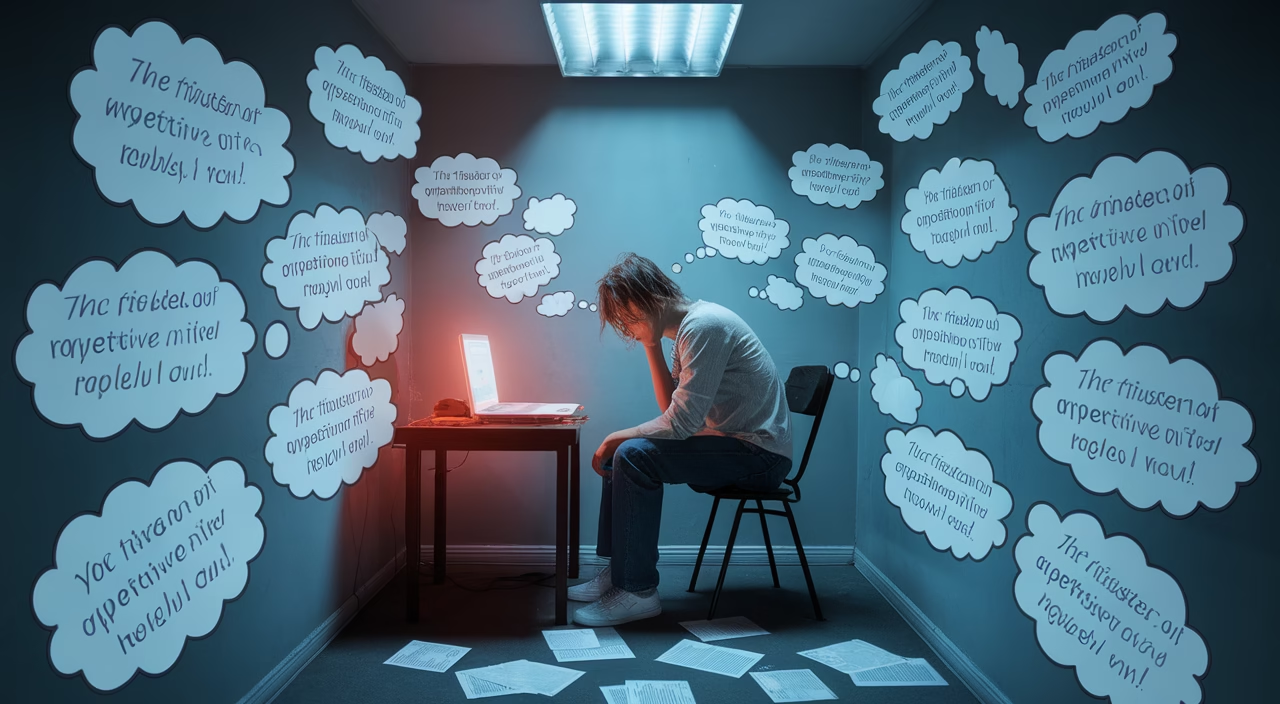
If anxiety had a scent, it’d smell like burnt toast and missed deadlines. Coping with overthinking isn’t about shutting your brain up — it’s about giving it something healthier to chew on. When your mind runs endless loops of “what if” scenarios, no amount of sleep can truly refresh you.
Try this: the next time you spiral about how you probably ruined your whole life because you didn’t reply to a text, name your anxiety like it’s that one unpredictable but lovable friend. (“Oh hey, Cheryl’s back. She thinks I’m going to jail over that typo. Cute.”)
Finding humor in anxiety struggles lets you see your inner chaos gremlin not as a dictator, but a messy roommate. Still annoying. But less all-powerful. This shift in perspective is essential for breaking free from the mental patterns that keep you wired even when you’re tired.
The Journey to Authentic Self-Acceptance
This part isn’t cute. Or easy. Self-acceptance doesn’t mean sitting in a bubble bath whispering affirmations until you glow. It looks more like sitting in silence after a mental breakdown and realizing you’re still worthy, even as a soggy disaster noodle. Real self-acceptance in chaos means acknowledging that you can feel exhausted and still be enough.
It’s about embracing vulnerability with strength. Not the Pinterest type. The kind where you shoot off an honest message at 2 a.m., re-read it 15 times, and don’t delete it. That micro-moment? That’s real courage. It’s not loud, just real. And it’s often the first step toward finding hope in darkness.
Self-acceptance in chaos means choosing softness exactly where your fear says to armor up. Crying on your walk. Laughing during your breakdown. Apologizing less, even when unsure. It’s microscopic rebellions that eventually rewrite burnout culture from the inside. When you stop demanding perfection from yourself, your nervous system finally gets permission to rest.
Cost Guide: What Does Embracing Imperfection Actually Cost You?
- Your illusions of control. Gone. You’ll grieve them like a dead houseplant — one you didn’t water anyway.
- Approval addiction. No more gold stars for pretending. This hurts at first but heals fiercely.
- Social masks. Gone. You’ll make fewer friends… but the real ones stick harder.
- Your sanity? Nah. Surprisingly, you’ll gain clarity by losing the exhausting need to be perfect.
But here’s what you gain: Your time back. Your flawed, stumbly joy. Sleep that doesn’t just keep you horizontal, but actually restorative — the kind that feels like your nervous system exhaling for once. When you stop fighting yourself, rest becomes possible again.
FAQs
Why do I still feel tired after a full night of sleep?
Because rest isn’t just physical — it’s emotional and mental too. High stress, perfectionism, and untreated burnout can leave you feeling drained even with enough sleep. Your nervous system stays activated even during sleep when you’re dealing with chronic anxiety or emotional exhaustion.
Can embracing imperfection improve my energy?
Yes. Releasing the stress of unrealistic expectations helps reduce anxiety and mental fatigue, allowing for deeper rest and sustainable energy. When you stop demanding perfection from yourself, your mind can finally relax.
How does overthinking contribute to exhaustion?
Overthinking keeps your mind in a constant activated state, wearing down your cognitive resources and making it difficult to truly recharge. Your brain burns energy even when your body is at rest, leading to that “tired but wired” feeling.
Is there really humor in anxiety?
Oddly, yes. Laughing at your irrational worries doesn’t erase them, but it disarms their power and creates emotional space to cope better. Humor becomes a way of practicing self-acceptance and finding lightness in dark moments.
What does self-acceptance in chaos really look like?
It means showing up as you are — broken, healing, hilarious — without needing to ‘fix’ yourself before being worthy of kindness or rest. It’s about finding peace with your imperfections instead of exhausting yourself trying to hide them.
How can I start embracing my imperfections daily?
Start small: Speak kindly to yourself after failure, post that imperfect selfie, or let someone see your messy kitchen. Micro-acceptances build macro change. Each small act of self-compassion rewires your relationship with perfectionism.
Why is burnout so invisible sometimes?
Because people-pleasers and perfectionists often hide it behind high performance. If you’re always “doing great,” burnout hides in the details. The exhaustion shows up as physical fatigue even when you think you’re managing everything perfectly.